
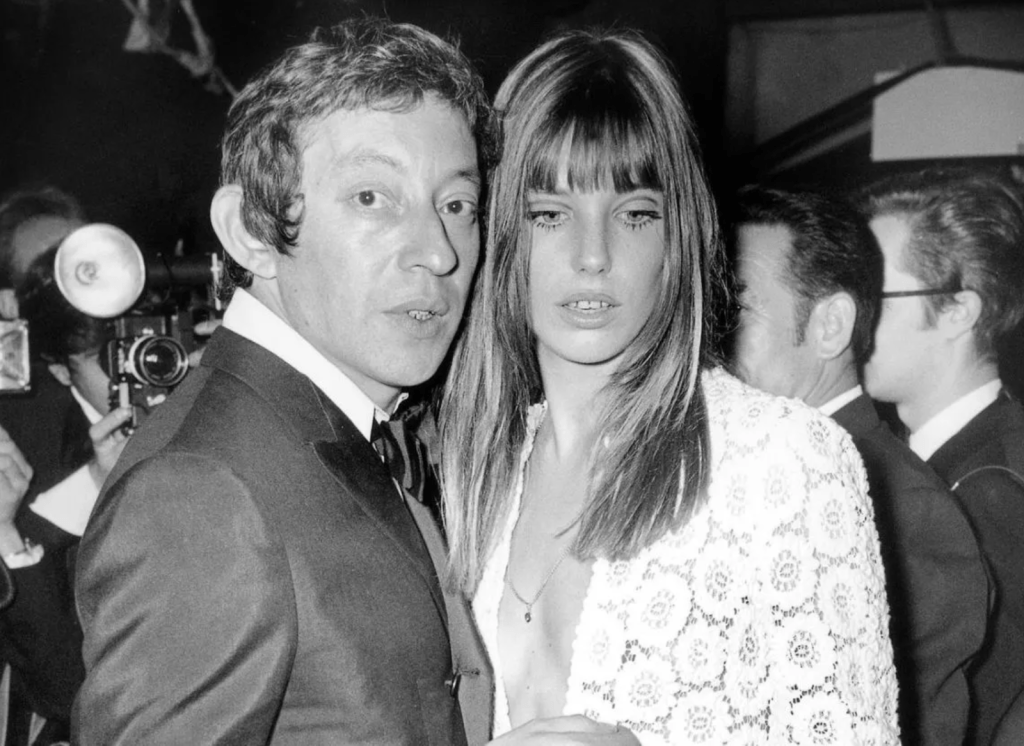
Take inspiration from the bohemian 70s when styling lace in 2023.
The delicate quality of lace, a threaded web-like construction, accords itself with opulent beginnings. But its secured everyday familiarity with modern dressing, thanks to an innate versatility and similar look to other fabrics like crochet, renders a history lesson insignificant to its enduring popularity. Despite being commonplace, perhaps most still consider wearing lace as a frilly formality. Having been trending as a casual material within the fashion world for some time now though, (you may have noticed that it is in with the instagram influencers), I suspect it is only a matter of time before the rest of us wear it casually.
I find it styled best, like a lot of other things, in pictures from the 1970s. After the symmetrical and simplistic modernity of the 1960s, the hippy movement of the 70s celebrated and popularised soft embellishments. In a similar way, the turn of the 2020’s sees a diversion from the minimalism of the late 2010s – before this, maximalist trends had been generally fashionable since the early 2000s. An example can be seen in the noted unpopularity of lace wedding dresses, as brides seemingly preferred plain and structured tailoring (think Meghan Markle’s dress in 2018 vs Kates in 2011). Maybe this is just a coincidental matter of personal taste, or perhaps many think simple is a safer option for such an event. After all, if styled wrong, it is easy for lace to come across as old-fashioned, especially in a time of ever modernising customs. So lace is loaded with connotations: it is iconic and defined. And I think that post-covid we are all yearning to turn back the years, or at best yearning to define the present. Without getting too analytical, the depth of lace, both physically and socially as I have discussed so far, allows us to care less about being timeless by defying it, and rather embrace a sense of inconsequential spontaneity – in true hippy style – as a point of marking the moment.
The partially baring nature of lace may also be particularly popular as an extension of other trending sheer fabrics. The see through fad seems to be positively distanced from intimating lingerie, as some of us may cringe at the not so distant memory of wearing lingerie as clothing, especially those lace slip dresses that shouldn’t really have made it outside. Thus we should move away from using lace purely as an attachment of lingerie, in a way that is not traditionally sexy, or halloween-y, but cooly sophisticated. When worn layered or thicker as outerwear (see the image below as an example), it avoids risk of being gauche and rather establishes itself as trend with the opportunity to be sustained. And as I feel I have done far too much to try and convince you that lace can be cool, I think our shopping habits these days do the work for me; vintage and second hand lace garments are so easy to find, are affordable, and do not need to fit precisely.
Yet, it was not anything vintage that inspired this post, but a photo found on Pinterest from 2020. The image above traced back to Danish instagrammer Philine Roepstorff. She’s wearing a spring 2020 runway piece from Valentino technically named a fluted-sleeve guipure-lace jacket, which retails for $3980. Despite the eye-wateringly expensive price tag, the styling makes this possibly stuffy jacket look carefree. This outfit is of course not so conservative, perhaps calling it an outfit is a stretch for some, but the sheer tights allow the silhouette to draw away from any air of antiquity. The fact that it still looks cool after three years, which in fashion is harder to do than anything truly vintage, is testament to the importance of styling.
Lets look to the spring 2023 runways for some updated inspiration:
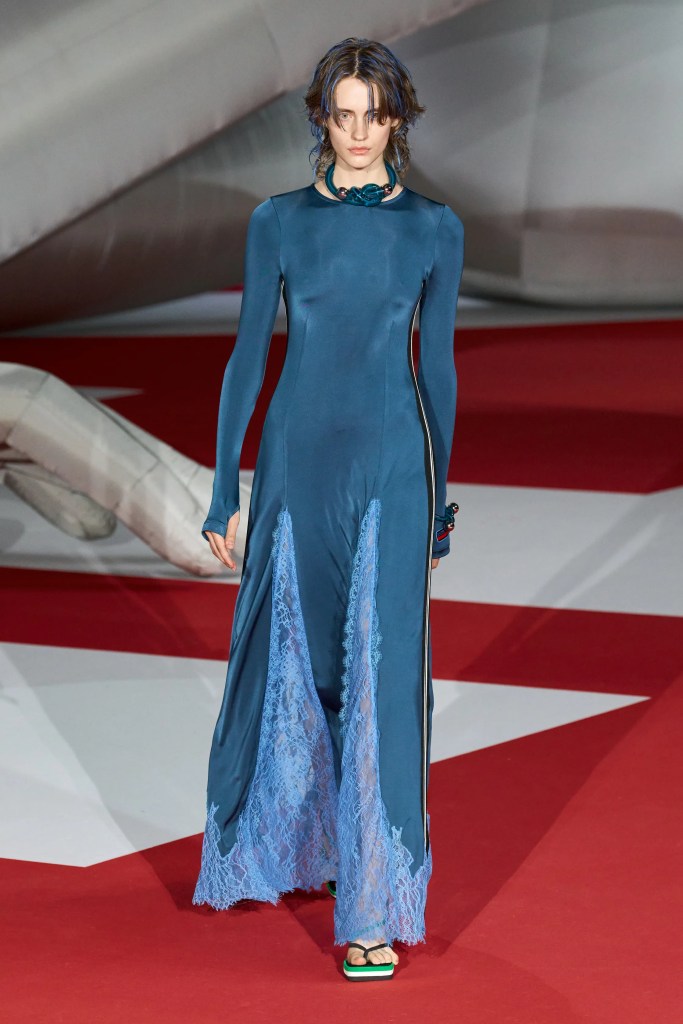
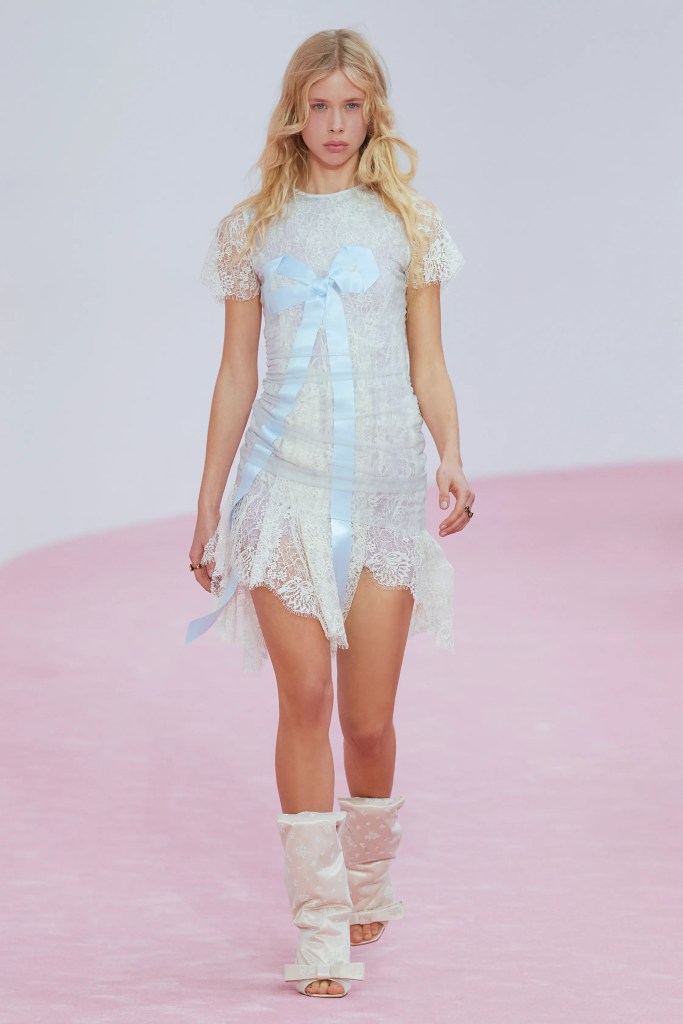
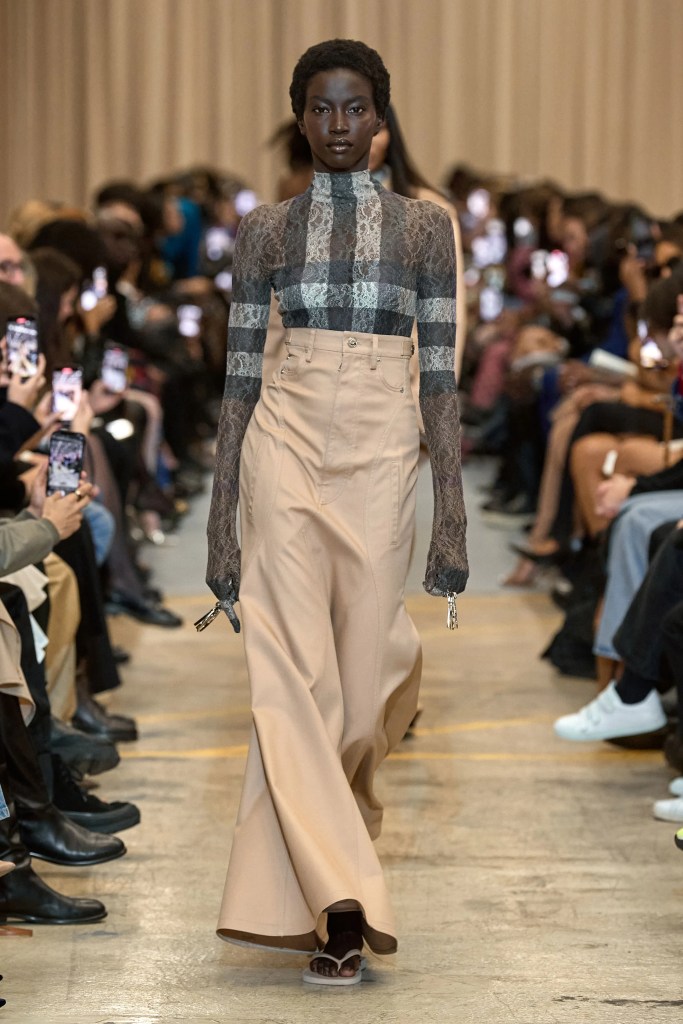
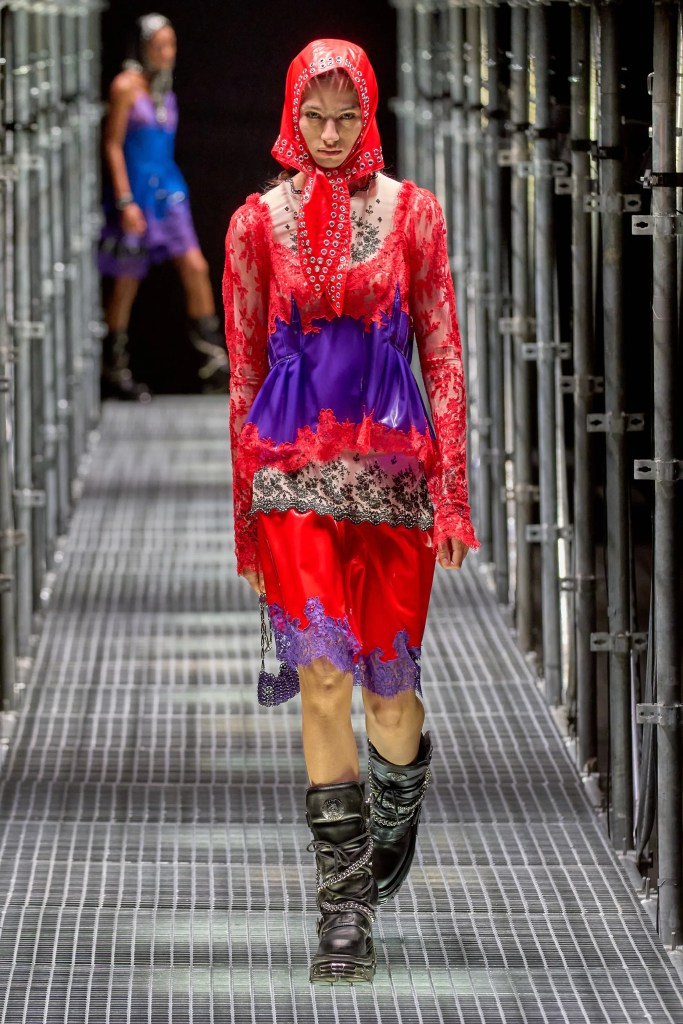
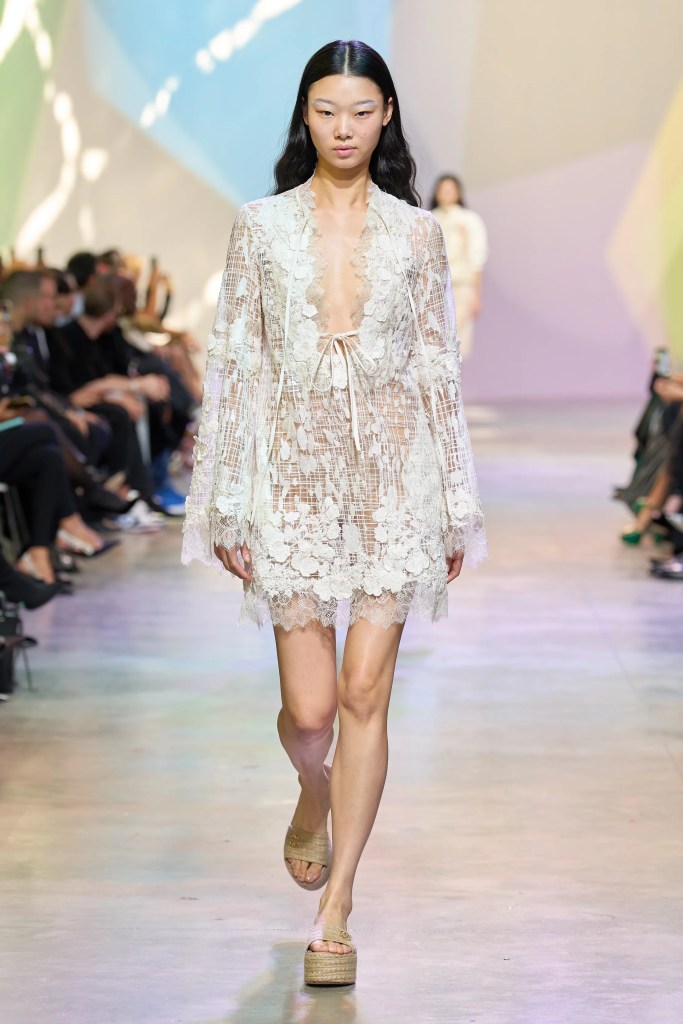

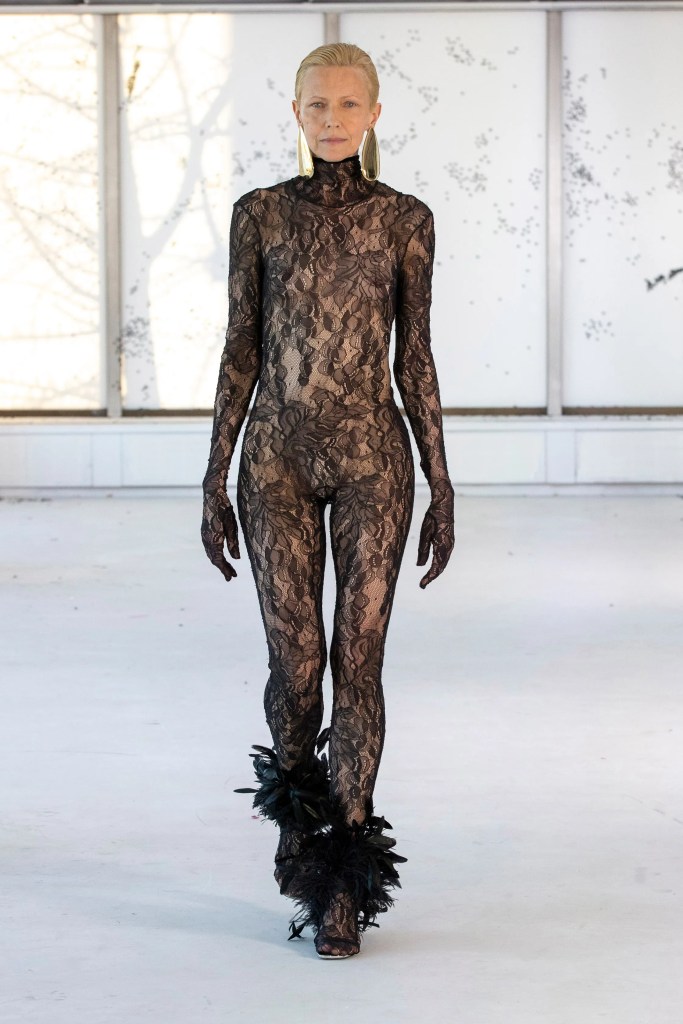

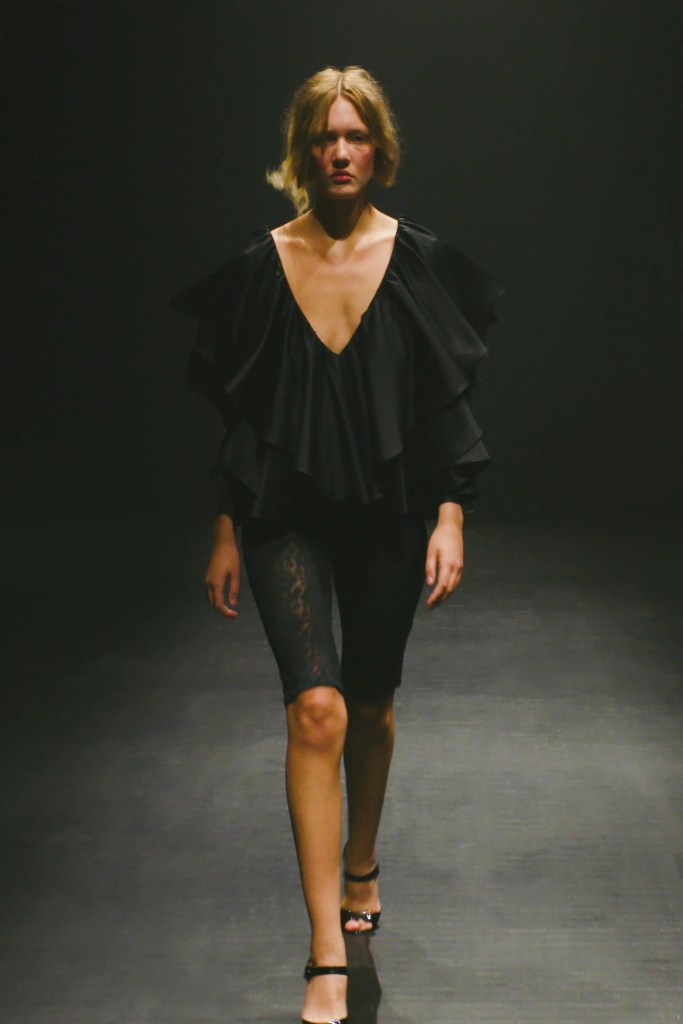


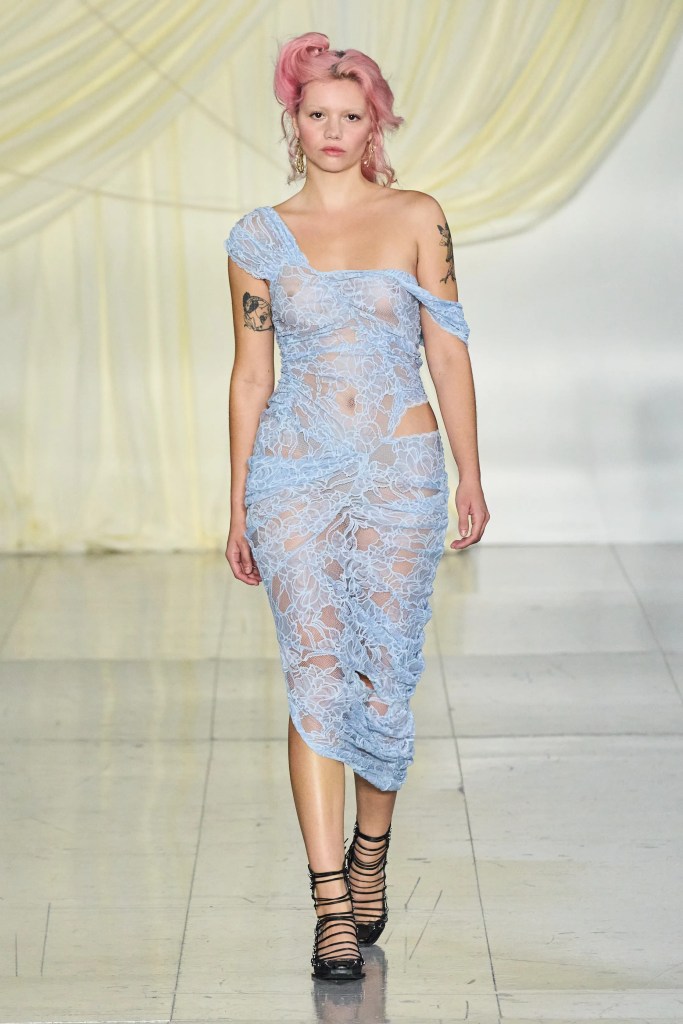
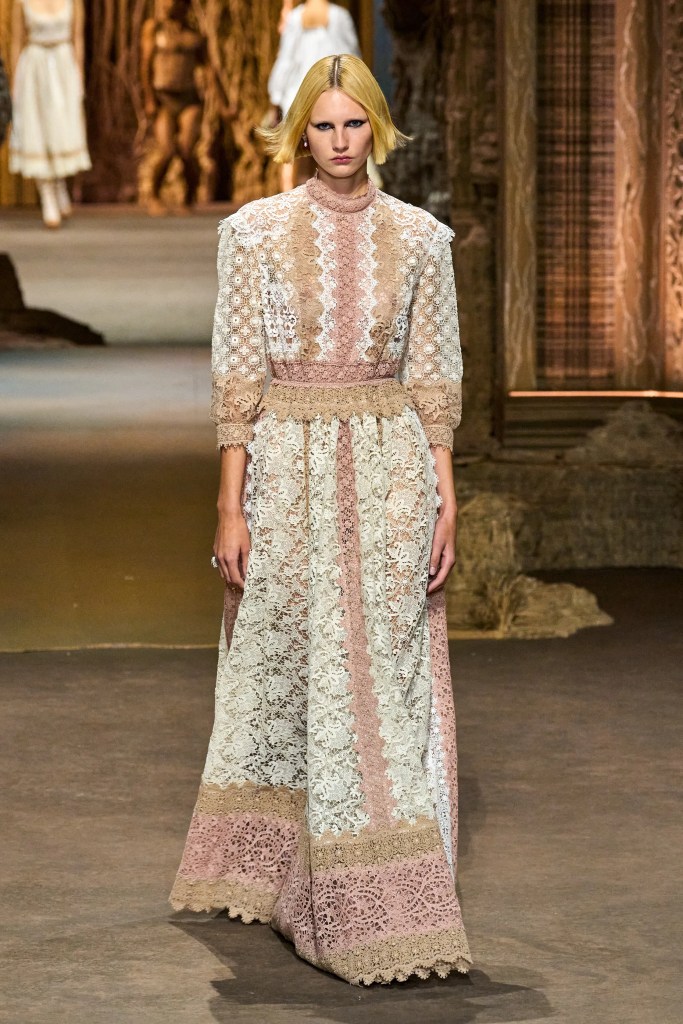
1: Diesel, 2: Acne Studios, 3: Burberry, 4: Paco Rabanne, 5: Elie Saab, 6: Collina Strada, 7: Area, 8: Rodarte, 9: Interior, 10: Alexis Mabille, 11: Self-Portrait, 12: Yuhan Wang, 13: Christian Dior
And on instagram:
 International Beauty and Style Guru, fashion blog by Evie Nightingale